
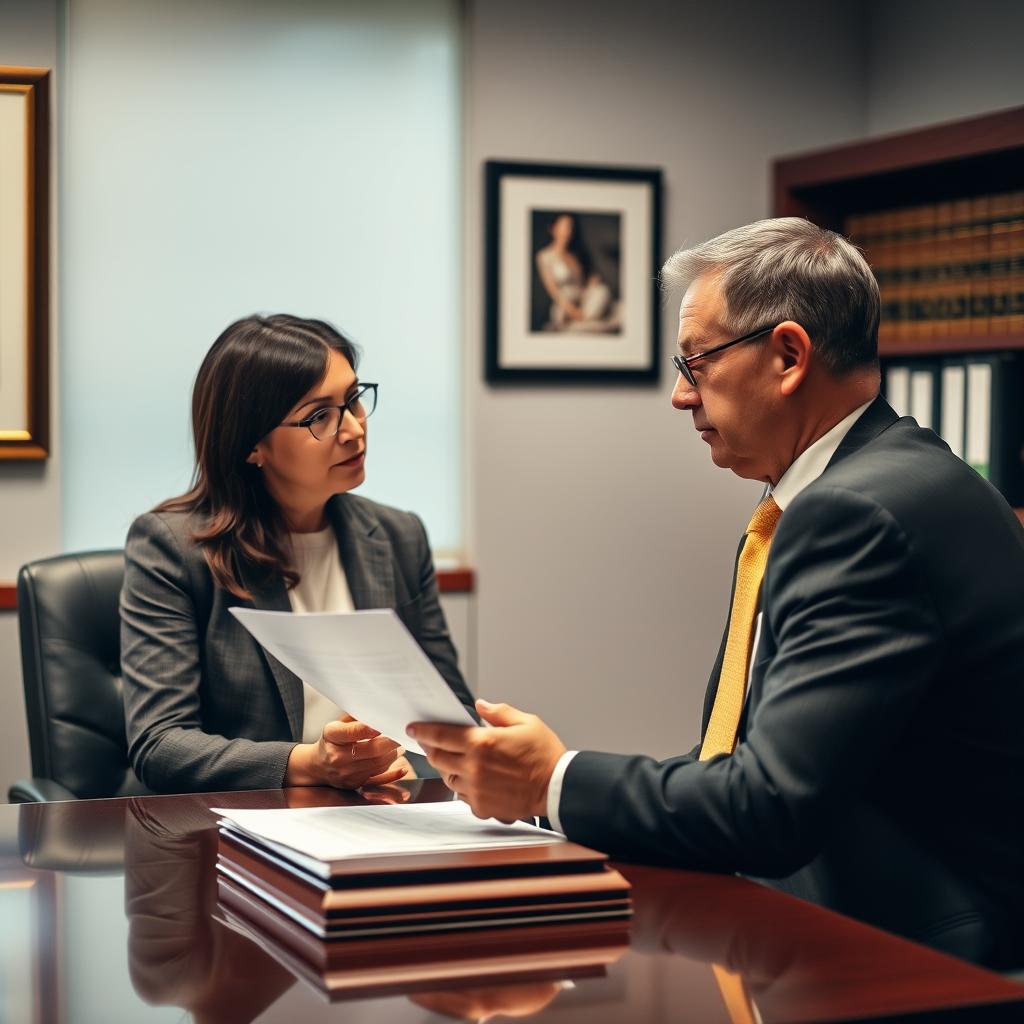
What happens at a criminal arraignment in Chevy Chase
An arraignment in Chevy Chase is the first formal court appearance after an arrest, conducted at the D.C. Superior Court, Criminal Division, located at 500 Indiana Avenue NW in Washington, D.C. At this hearing, the judge informs you of the charges against you, verifies your identity, and asks you to enter a plea. In the District of Columbia, release decisions are handled not by traditional cash bail but by the Pretrial Services Agency, which conducts a risk assessment and recommends conditions to the court. Having an experienced attorney at your side during this process can influence the conditions of your release and the strategy for the entire case. The criminal defense team at Law Offices Of SRIS, P.C., led by Matthew Greene, an Of Counsel attorney who concentrates in D.C. Criminal matters, appears regularly at D.C. Superior Court and understands how to present your interests at this critical stage. To discuss your arraignment or any pending criminal matter, reach our location at (888) 437-7747. Law Offices Of SRIS, P.C. – Advocacy Without Borders.
What an Arraignment Involves in Chevy Chase
An arraignment in Chevy Chase follows a specific procedural sequence. After an arrest, the D.C. Metropolitan Police Department transports the individual to the D.C. Superior Court, where the first appearance typically occurs within 24 hours for misdemeanors. The judge reads the charges from the complaint filed by the United States Attorney’s Office for the District of Columbia, which prosecutes all local criminal offenses. The defendant is then asked to enter a plea: not guilty, guilty, or—in limited circumstances—nolo contendere.
The Pretrial Services Agency (PSA) plays a central role in release decisions. Unlike many states, D.C. Does not use a monetary bail system for most offenses. Instead, a PSA officer interviews the defendant, gathers information about community ties, employment, and prior record, and provides a risk-assessment report to the court. The judge may release the defendant on personal recognizance, impose non-financial conditions such as stay-away orders or curfews, or, in serious cases, order pretrial detention. Matthew Greene, Of Counsel at Law Offices Of SRIS, P.C., advocates at this stage to highlight factors favoring release and to challenge any overstatement of flight risk or danger. Prompt, knowledgeable representation can make a meaningful difference in the conditions set at arraignment.
Frequently Asked Questions
What is the purpose of an arraignment in D.C.?
The purpose of an arraignment is to formally advise the accused of the charges, receive a plea, and set conditions of pretrial release. Under D.C. Law, the arraignment marks the beginning of the court process in a criminal case. The judge ensures the defendant understands the allegations and the potential penalties. The plea entered at this stage—almost always not guilty at a first appearance—preserves all defenses and prompts the scheduling of a status hearing or trial date. The Pretrial Services Agency completes its risk assessment before or during the hearing, and the court determines whether the defendant will remain in custody or be released pending further proceedings.
Do I need a lawyer at my arraignment in Chevy Chase?
You are not required to have a lawyer present at arraignment, but having one can significantly influence release conditions and the direction of the case. The D.C. Superior Court will appoint a public defender if you qualify financially, but the Public Defender Service for DC handles many cases and may not be able to provide the same level of detailed attention as private counsel. An attorney who knows the local procedures can argue against high-release restrictions, address potential issues with the complaint, and begin building a defense strategy immediately. Matthew Greene, Of Counsel at Law Offices Of SRIS, P.C., routinely appears at D.C. Superior Court arraignments and can appear quickly upon being retained.
What plea should I enter at my arraignment?
In nearly every case, a defendant should enter a plea of not guilty at the arraignment. Entering a not-guilty plea preserves the right to challenge the prosecution’s evidence, negotiate a plea agreement later, or proceed to trial. A guilty plea at arraignment is permanent and should not be made without full disclosure of the evidence and potential consequences. In D.C. Superior Court, the judge may also accept a plea of not guilty by reason of insanity or a conditional plea, but these require thorough preparation and are not entered without counsel.
How does DC’s Pretrial Services Agency affect my release?
The Pretrial Services Agency (PSA) prepares a risk-assessment report that the judge relies on to decide release conditions. PSA staff interview the arrested person shortly after booking, verify employment and residence, and check criminal history. Based on a validated risk-assessment tool, PSA recommends either release with minimal conditions, supervised release with monitoring, or detention in serious felony cases. D.C. Law favors release on the least restrictive conditions unless the defendant poses a flight risk or a danger to the community. An attorney can present additional information to the court to correct or supplement the PSA report and argue for release on personal recognizance or reduced supervision.
What happens if I miss my arraignment in Washington, D.C.?
Missing an arraignment can result in a bench warrant for your arrest and additional charges for failure to appear. The D.C. Superior Court treats a missed court date seriously. If you fail to appear, the judge may issue a warrant, and law enforcement can arrest you at any time. In some cases, it may also lead to forfeiture of any bond or collateral that was posted. If you have a valid reason for missing the hearing, such as a medical emergency, your attorney can move to quash the warrant and reschedule the appearance, but this must be done promptly.
Can I get a public defender for my arraignment?
Yes, if you cannot afford private counsel, the Public Defender Service for DC or a court-appointed lawyer will represent you at arraignment. To qualify, you must complete a financial affidavit demonstrating eligibility. The public defender will meet with you briefly before the hearing. While the Public Defender Service is well-regarded, its attorneys carry heavy caseloads and may not be able to dedicate the same time to each matter as a private attorney. If your financial situation allows, hiring private counsel gives you the advantage of an attorney who can focus extensively on your case from the first appearance.
What should I bring to my arraignment?
You should bring photo identification and any paperwork related to your arrest, but leave valuables at home. A family member or friend can come to provide moral support, but they may have to wait outside the courtroom. It is helpful to have a list of references who can confirm your community ties, employment, and character, as this information can assist your attorney when arguing for favorable release conditions. Do not bring weapons, drugs, or any item on the courthouse prohibited-items list. Arrive early to allow time for security screening at the main entrance on Indiana Avenue.
How long after arrest does the arraignment occur?
In D.C., a person arrested must be brought before a judge for arraignment without unnecessary delay, generally within 24 hours for misdemeanors. If the arrest occurs over a weekend or holiday, the hearing may take place on the next business day. The exact timeline depends on the time of day of the arrest, the availability of judicial officers, and whether the individual was arrested on a warrant or without one. Prompt representation is critical because the first hours after arrest are when evidence gathering, witness interviews, and bond arguments are most urgent.
What happens after the arraignment in a D.C. Criminal case?
After arraignment, the case moves to a status hearing where the prosecutor and defense counsel discuss discovery, potential plea negotiations, and a trial schedule. The court may set a motions date and a trial date. For misdemeanors, the trial is typically scheduled within a few months; for felonies, the process may take several months or more after grand jury indictment. Between arraignment and trial, the defense investigates the facts, files motions to suppress evidence, and negotiates with the U.S. Attorney’s Office. An experienced D.C. Criminal lawyer can help you navigate this process and work toward a resolution.
Can I change my plea later if I plead not guilty at arraignment?
Yes, a not-guilty plea entered at arraignment can be changed later if a plea agreement is reached. The not-guilty plea preserves your right to trial and does not prevent you from later accepting a negotiated plea. In fact, most criminal cases in D.C. Are resolved through plea bargaining rather than trial. Changing your plea requires a separate hearing before the judge, who will ensure the plea is knowing and voluntary. An attorney can assess any offer from the prosecution and advise you on whether it is in your best interest to accept it or proceed to trial.
How does a Chevy Chase arraignment differ from other jurisdictions?
Chevy Chase criminal cases are handled under D.C. Law at the D.C. Superior Court, not Maryland or Virginia courts. Despite being adjacent to Maryland, the neighborhood of Chevy Chase within Washington, D.C. Follows the District’s unique criminal justice system, where the United States Attorney prosecutes local crimes and the Pretrial Services Agency operates release assessments. Unlike nearby Montgomery County, Maryland, D.C. Rarely uses cash bail, favoring risk-based release. This procedural difference makes it important to retain counsel familiar with D.C. Courtroom practice rather than a lawyer who primarily handles cases in Maryland or Virginia.
What role does an attorney play at the arraignment?
At an arraignment, the attorney advises the defendant on the plea, argues for favorable release conditions, and begins challenging the prosecution’s case. Even at this early stage, the lawyer can point out defects in the complaint, raise constitutional issues, and negotiate with the prosecutor. In D.C., the attorney may also address the PSA report, correct inaccuracies, and present additional evidence of community ties to the judge. Having counsel from the outset ensures that the defendant’s rights are protected and that the case is set on the proper course from the very beginning.
Related criminal defense resources: Washington, D.C. Criminal defense attorney | criminal defense lawyer in Georgetown | criminal defense representation in Spring Valley | Cleveland Park criminal defense services | American University Park criminal defense
About Mr. Sris and His Of Counsel Team
Law Offices Of SRIS, P.C. was founded in 1997 by Mr. Sris, a former prosecutor and Owner and Founder of the firm. Mr. Sris is admitted to practice in Virginia, Maryland, the District of Columbia, New Jersey, and New York. His team includes experienced Of Counsel attorneys who concentrate in criminal defense across multiple states. Matthew Greene, Of Counsel, focuses on D.C. Criminal matters and has appeared in D.C. Superior Court for many years. Mr. Sris and his Of Counsel bring over 120 years of combined legal experience. Results may vary. Across all practice areas, the firm has documented more than 4,739 case results since its founding. For a consultation about your arraignment or any criminal charge, reach the firm’s Arlington location, which serves D.C. Clients, at (888) 437-7747.
Attorney advertising. Prior results do not guarantee a similar outcome. Results may vary.
Case results depend on a variety of factors unique to each case.