
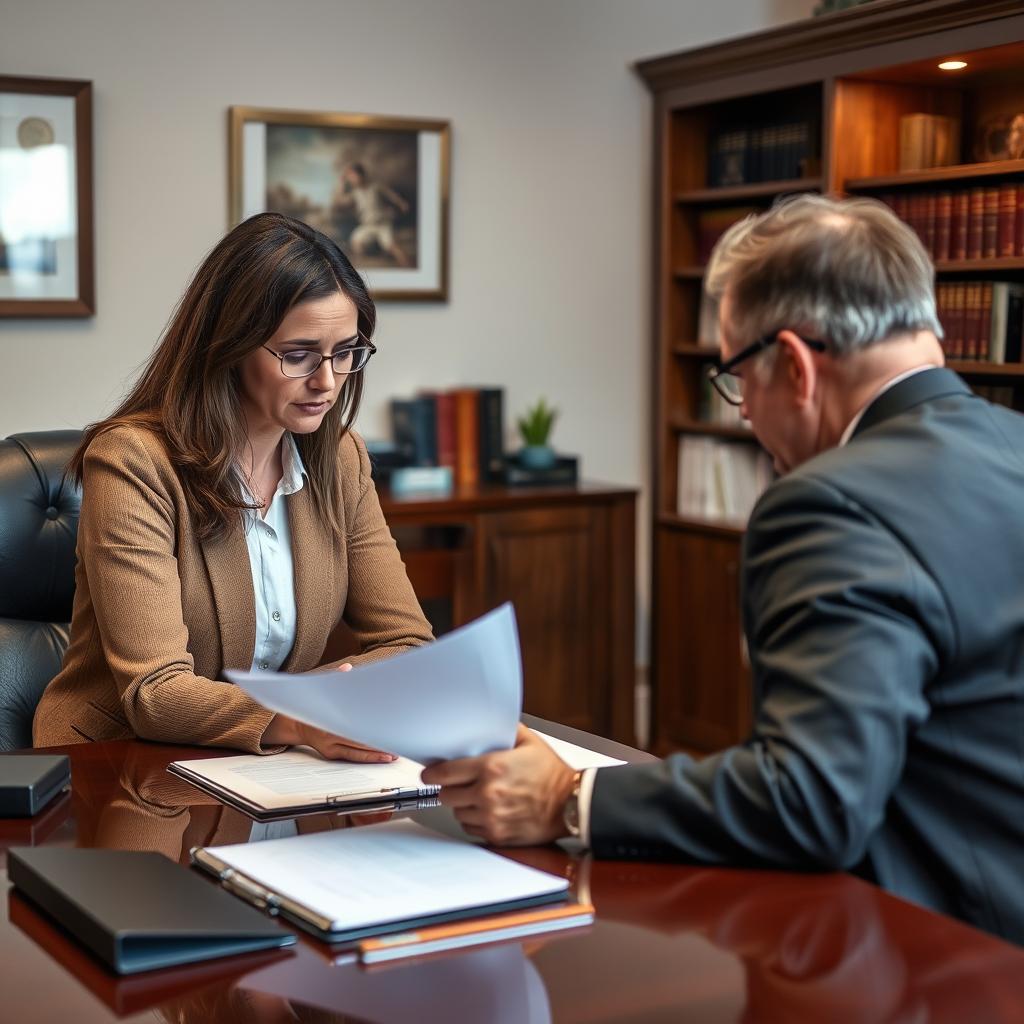
How long does a criminal case take in Forest Hills
The timeline of a criminal case in Forest Hills depends on the nature of the charge, the specific court calendar, and how the case proceeds. Criminal matters in this neighborhood fall under the jurisdiction of D.C. Superior Court, where the United States Attorney’s Office prosecutes on behalf of the District. Cases move through several stages—including arraignment, pretrial motions, discovery, possible plea negotiations, and, if no resolution is reached, trial. The process for a misdemeanor is generally shorter than for a felony, and a case resolved through an early plea will conclude more quickly than one requiring trial. Court scheduling, the complexity of the evidence, and the number of procedural motions all influence the overall duration. If you have been charged with a criminal offense, understanding what to expect can help you navigate the process. For a consultation about your specific situation, reach Law Offices Of SRIS, P.C. at (888) 437-7747. Law Offices Of SRIS, P.C. – Advocacy Without Borders.
What shapes the timeline of a criminal case in Forest Hills
Criminal cases in Forest Hills are heard at D.C. Superior Court, located at 500 Indiana Avenue NW. The court operates under a system where the federal prosecutor—the United States Attorney for the District of Columbia—handles all criminal prosecutions, a unique feature of the District’s hybrid local-federal justice structure. After an arrest, a person is brought before a magistrate judge for an initial appearance and arraignment. At this hearing, the charges are formally presented, and a plea is entered. If the case involves a felony, a grand jury must return an indictment before the case can proceed to trial; this grand jury stage can add weeks to the pretrial period. The court’s docket, the volume of discovery, and any defense investigation all influence how long the case takes. While constitutional protections like the Speedy Trial Act set general timeframes, the practical reality is that the pace of a criminal prosecution reflects the interplay among the prosecutor’s readiness, the defense’s preparation, and the availability of judicial resources. A well-prepared defense can also impact timing—motions to suppress evidence, to compel discovery, or to dismiss charges may be filed and argued before trial, extending the pretrial phase. Ultimately, a case resolved through a negotiated plea will conclude on a shorter schedule than one that proceeds to a jury trial.
Factors that can extend or shorten the timeline
Several specific factors affect how long a criminal matter lasts in Forest Hills. The classification of the offense is central: a misdemeanor charge, such as simple assault or shoplifting, typically reaches resolution more quickly than a felony charge, which requires grand jury action and more extensive discovery. The willingness of the parties to negotiate a plea agreement is another significant driver; when both sides reach an accord, the case can be resolved at a pretrial hearing. Conversely, when factual disputes exist or when the defense challenges the admissibility of evidence, the court must schedule additional hearings, which can extend the timeline by weeks or months. Cases that involve complex forensic evidence, multiple defendants, or extensive document review also tend to take longer. Finally, the court’s calendar and the availability of judges and prosecutors can influence scheduling. Mr. Sris and his Of Counsel understand the procedures of D.C. Superior Court and work to move cases forward while protecting the rights and interests of the people they represent.
Frequently Asked Questions
How long does a criminal case take in Forest Hills?
The length of a criminal case in Forest Hills varies widely depending on the charge, the court’s docket, and whether the matter resolves through a plea or proceeds to trial. Misdemeanor cases generally move faster than felonies, and a case that results in a negotiated plea can conclude weeks or months sooner than one requiring a trial. Factors such as the complexity of the evidence, the number of pretrial motions, and the availability of judges and prosecutors all contribute to the timeline. For case-specific guidance, speak with an experienced attorney.
What happens at the first court appearance for a criminal case in DC?
At the initial appearance in D.C. Superior Court, a magistrate judge advises the accused of the charges and determines the conditions of pretrial release. The District of Columbia does not use a cash bail system; a federal agency, the Pretrial Services Agency, conducts a risk assessment and recommends release conditions to the court. The judge may order the person released on personal recognizance, impose monitoring conditions, or, in limited circumstances, order detention. The first appearance is not the trial and does not involve a determination of guilt.
Do I need a lawyer for a criminal case in Forest Hills?
You are not legally required to have a lawyer, but the stakes in a criminal case make the guidance of an experienced attorney critical. A conviction can carry incarceration, fines, probation, and a permanent criminal record that affects employment, housing, and professional licensing. An attorney can identify weaknesses in the prosecution’s case, negotiate with the prosecutor, and present the strong $1 at trial. Mr. Sris and his Of Counsel team represent clients at all stages, from investigation through appeal.
What is the difference between a misdemeanor and a felony in DC?
In the District of Columbia, a misdemeanor is an offense punishable by up to 180 days in jail, while a felony carries the possibility of a longer term of imprisonment. The classification affects not only the potential penalty but also procedural steps such as grand jury indictment, which is required for most felony prosecutions. Certain misdemeanors, like simple assault, are handled on a faster docket; felonies including robbery, burglary, and serious drug offenses involve a more extended pretrial process and can take longer to reach a final disposition.
Can a criminal case be dismissed before trial in DC?
Yes, a criminal case can be dismissed before trial if the prosecutor determines the evidence is insufficient, if a defense motion to dismiss is granted, or if the court finds a legal defect in the charging document. Pretrial dismissal may occur after negotiations, after a successful suppression motion, or because the prosecutor decides not to proceed. Even when a case is not dismissed outright, the charges may be amended to a lesser offense. An experienced defense attorney can identify the most effective path toward a favorable pretrial resolution.
How does the bail system work in Washington, D.C.?
Washington, D.C., does not use a cash bail system. After an arrest, the Pretrial Services Agency, a federal agency, interviews the person and prepares a risk assessment that is presented to the court. Based on that report, the judge decides whether to release the person on personal recognizance, impose conditions such as reporting to a supervision officer, drug testing, or stay-away orders, or, in serious cases, order pretrial detention. The goal is to ensure appearance at future court dates while protecting community safety, without reliance on money bail.
What should I do if I am arrested in Forest Hills?
If you are arrested, you should remain silent except to ask for an attorney and then contact a lawyer as soon as possible. Anything you say to law enforcement can be used against you in court. Do not discuss the facts of the case with anyone other than your lawyer. After an arrest, you will be taken to a Metropolitan Police Department station for processing and then brought before a D.C. Superior Court judge. For immediate assistance, reach Law Offices Of SRIS, P.C. at (888) 437-7747.
What factors can delay a criminal case in DC?
Several factors can delay a criminal case, including the need for grand jury action, extensive discovery, forensic testing, and court backlogs. Defense motions, such as requests to suppress evidence, may require additional hearings. Cases involving multiple defendants or complex financial or digital evidence also tend to take longer. While the Speedy Trial Act imposes certain deadlines, practical scheduling constraints often influence the actual pace. A knowledgeable attorney can help manage expectations and work to avoid unnecessary delay.
How do I find a criminal defense lawyer in Forest Hills?
You can find a criminal defense lawyer by researching firms that regularly appear in D.C. Superior Court and scheduling a consultation to discuss your case. Look for an attorney with experience in the District’s unique justice system, where the U.S. Attorney prosecutes all criminal cases. Mr. Sris and his Of Counsel team represent individuals in matters before D.C. Superior Court from the firm’s Arlington location. To discuss your case, call (888) 437-7747.
What is the role of the U.S. Attorney in DC criminal cases?
In the District of Columbia, the United States Attorney’s Office prosecutes all local adult criminal cases, a role that in most states is handled by a district attorney or local prosecutor. This federal-local hybrid makes the DC justice system unique. The U.S. Attorney decides whether to file charges, what charges to bring, and what plea offers to make. Understanding how to communicate with and respond to federal prosecutors is an important part of building a defense strategy in Forest Hills and throughout the District.
Can I travel while my criminal case is pending in DC?
Travel during a pending criminal case may be restricted by the court’s release conditions. The judge can impose geographic limitations, require the surrender of a passport, or order that permission be obtained before traveling outside the jurisdiction. Violating release conditions can result in additional charges or revocation of pretrial release. If you anticipate needing to travel, discuss it with your attorney before any trip to ensure you remain in compliance with court orders.
What is pretrial services in Washington, D.C.?
The Pretrial Services Agency (PSA) is a federal agency that assesses individuals after arrest and makes recommendations to the court about pretrial release conditions. PSA officers interview the person, verify information, and prepare a report for the judge. The report includes a risk assessment that considers factors such as community ties, employment, and prior record. The PSA may also supervise individuals who are released, monitoring compliance with conditions like drug testing, curfews, and reporting requirements.
About Mr. Sris and His Of Counsel Team
Mr. Sris, Owner and Founder of Law Offices Of SRIS, P.C., is a former prosecutor who has practiced law since 1997. He is admitted in Virginia, Maryland, the District of Columbia, New Jersey, and New York. Mr. Sris testified before the Virginia House Courts of Justice Committee in support of 2019 HB 635 (chief patron Del. David Bulova). He and his Of Counsel bring over 120 years of combined legal experience and have secured 4,739+ documented firm-wide results. Results may vary. Mr. Sris and his Of Counsel represent individuals facing criminal charges in D.C. Superior Court from the firm’s Arlington location. Contact the firm at (888) 437-7747 to request a consultation.
Additional resources: Washington, D.C. Criminal defense · Georgetown criminal lawyer · Spring Valley criminal lawyer · Cleveland Park criminal lawyer · Chevy Chase criminal lawyer
Primary sources: D.C. Code Title 22 (Criminal Offenses) · DC Superior Court · U.S. Attorney’s Office for DC
Attorney advertising. Prior results do not guarantee a similar outcome.
Case results depend on a variety of factors unique to each case.