
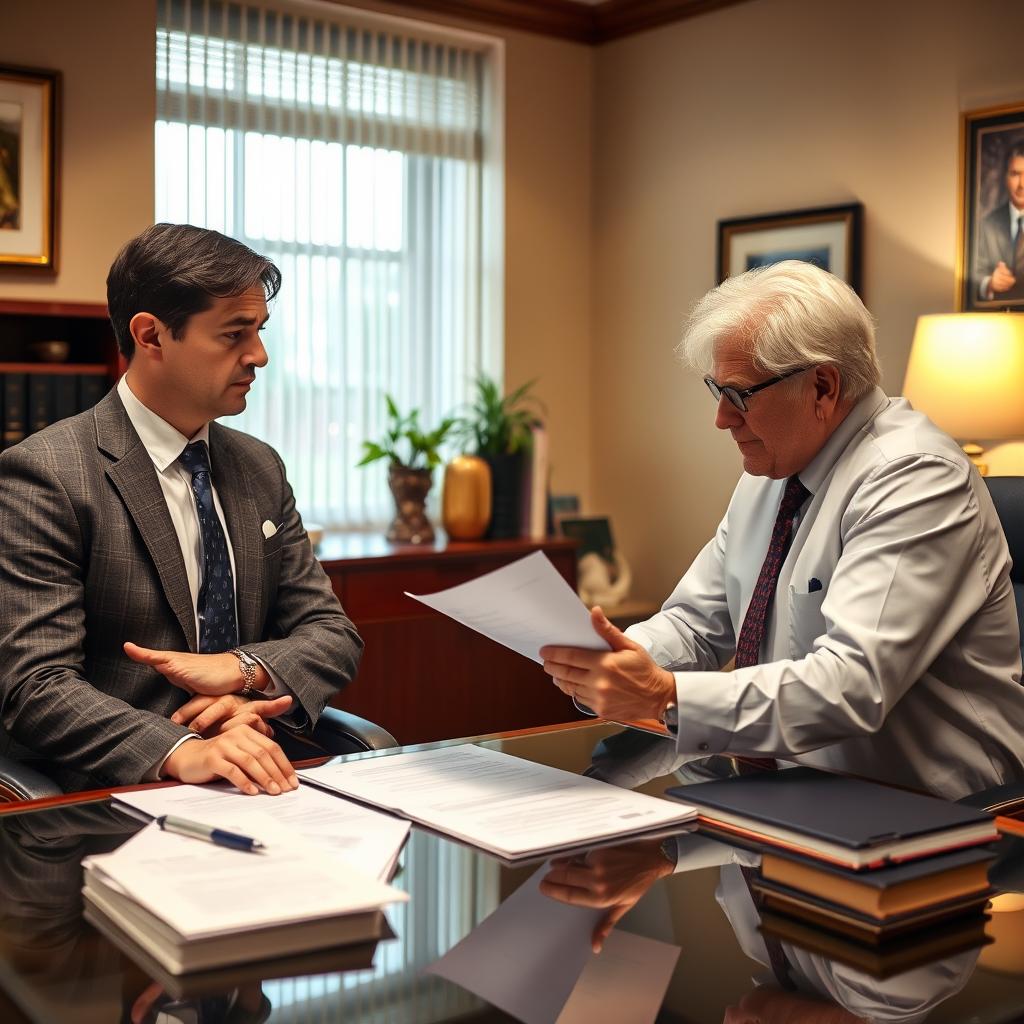
Do I need a lawyer for a federal grand jury subpoena in Maryland
Yes, immediately. A federal grand jury subpoena signals a serious investigation by the U.S. Attorney’s Office for the District of Maryland. Federal agents—FBI, DEA, IRS, ATF, or other investigative agencies—are gathering evidence to determine whether to bring criminal charges. Testifying before a grand jury without an attorney puts you at risk: you may inadvertently incriminate yourself, waive Fifth Amendment protections, or become a target of the investigation yourself. Early engagement with experienced federal criminal defense counsel protects your rights and helps you navigate the process. Contact Law Offices Of SRIS, P.C. at (888) 437-7747 to schedule a consultation. Law Offices Of SRIS, P.C. – Advocacy Without Borders.
What a federal grand jury subpoena means in Maryland
The United States District Court for the District of Maryland sits in Baltimore and Greenbelt. Federal prosecutors routinely use grand jury subpoenas to compel testimony and production of documents. A subpoena is not a charge, but it means you are either a witness, a subject, or a target. Your status can shift quickly. Federal grand jury proceedings are secret—your lawyer may not be in the grand jury room with you, but can advise you outside and prepare you to assert your rights. Without counsel, you risk making statements that could be used against you later.
Maryland residents who receive a subpoena often assume they must answer every question. That is a mistake. Some questions may call for privileged information or implicate the Fifth Amendment. A skilled attorney will review the subpoena, communicate with the prosecutor, and determine whether you can negotiate a limited appearance, a voluntary interview instead of testimony, or an outright challenge to the subpoena. Mr. Sris and his Of Counsel handle federal criminal defense across Maryland and can step in to protect your interests.
Frequently asked questions
What is a federal grand jury subpoena?
A federal grand jury subpoena is a court order that compels a person to testify or produce documents in a federal criminal investigation. It is issued by a grand jury at the request of a federal prosecutor. Grand juries determine whether probable cause exists to bring criminal charges. A subpoena must be taken seriously; failure to comply can result in contempt of court. The subpoena will state whether you must appear to testify, produce records, or both. Always review it with a federal criminal defense attorney before responding.
Do I have to comply with a federal grand jury subpoena?
Yes, you generally must comply with a federal grand jury subpoena, but you may have valid grounds to quash or modify it. A subpoena that is unreasonable, oppressive, or seeks privileged information can be challenged through a motion to quash. Legal counsel can negotiate the scope of compliance, ask for more time, or assert applicable privileges. Ignoring a subpoena is dangerous and can lead to contempt sanctions, including fines or even jail. Contact an attorney promptly to evaluate your options.
What happens if I ignore a federal grand jury subpoena?
Ignoring a federal grand jury subpoena can result in contempt of court, fines, and even incarceration. The U.S. Attorney’s Office may seek a court order compelling compliance. If you still refuse, a judge can hold you in civil or criminal contempt. Civil contempt aims to coerce compliance and may involve a daily fine; criminal contempt is a separate offense punishable by imprisonment. Never disregard a subpoena. Seek legal advice immediately to address it properly.
Can I invoke the Fifth Amendment before a grand jury?
Yes, you can invoke the Fifth Amendment privilege against self-incrimination when your truthful answer could expose you to criminal prosecution. However, the privilege must be asserted question-by-question. You cannot make a blanket refusal to answer all questions. The grand jury or prosecutor may grant you immunity, which would compel testimony. An attorney can advise you on when it is appropriate to invoke the Fifth and can seek to limit the scope of questioning to avoid incrimination.
What is a target letter, and how does it relate to a subpoena?
A target letter is a notification from the U.S. Attorney’s Office that you are a target of a federal criminal investigation and may be charged. It often invites you to testify before the grand jury or contact the prosecutor. If you receive a target letter along with a subpoena, the stakes are extremely high. You should not speak to law enforcement without a lawyer present. A target has the right to decline to testify—except under a grant of immunity—and should immediately retain experienced defense counsel.
How long does a federal grand jury investigation take?
The duration of a federal grand jury investigation varies widely depending on the complexity of the case and the volume of evidence. Some investigations wrap up in weeks; complex fraud, drug conspiracy, or public corruption matters can take months or even years. Grand juries sit for fixed terms—typically 18 months—but can be extended. The Speedy Trial Act does not apply before indictment. Working with a lawyer early can help you understand where the investigation stands and how best to respond.
How much does it cost to hire a federal criminal lawyer for a grand jury matter?
Legal fees for federal grand jury representation depend on the nature of the investigation, the time involved, and the attorney’s experience. Some firms charge hourly rates, while others may offer a flat fee for a defined scope of work—such as reviewing a subpoena, communicating with prosecutors, and preparing you for testimony. At Law Offices Of SRIS, P.C., we discuss fees transparently during an initial consultation. Call (888) 437-7747 to schedule a confidential discussion about your situation.
When should I contact a lawyer after receiving a federal grand jury subpoena?
You should contact a lawyer the moment you receive a federal grand jury subpoena—before you speak to anyone about the case. Do not discuss the subpoena with colleagues, friends, or family; those conversations are not privileged and could be used against you. Even seemingly innocent statements can become evidence. Prompt legal intervention allows your attorney to assess your status, contact the prosecutor, and develop a strategy. Delaying could limit your options and increase your exposure.
What should I do if a federal agent contacts me about a grand jury matter?
You should politely decline to answer questions and state that you want to speak with an attorney. Federal agents may appear cordial, but they are gathering evidence. Anything you say can be used in a grand jury proceeding or at trial. You have a right to remain silent and a right to counsel. Politely say, “I want to speak with my lawyer before answering any questions,” and then contact a federal criminal defense attorney. Do not consent to a search or sign any document without legal review.
Can my attorney be present while I testify before the grand jury?
Your attorney cannot be present in the grand jury room during your testimony, but you can consult counsel outside the room. Federal Rule of Criminal Procedure 6(d) limits who may be present to the jurors, the prosecutor, the witness, and a court reporter. However, you have the right to step outside and speak privately with your attorney between questions. This is a critical protection—you should never testify without an attorney waiting outside to advise you in real time on Fifth Amendment concerns and the trusted way to respond.
About Mr. Sris and his Of Counsel team
Mr. Sris, Owner and Founder of Law Offices Of SRIS, P.C., has been practicing since 1997. A former prosecutor, he concentrates his practice on complex criminal defense, including federal grand jury matters. He is admitted in Virginia, Maryland, the District of Columbia, New Jersey, and New York. Mr. Sris and his Of Counsel team understand how federal prosecutors in the District of Maryland build cases and how to protect clients facing subpoenas and investigations. They bring extensive collective experience to every matter. To discuss your situation in confidence, call (888) 437-7747—by appointment only.
For further reading, see our related pages:
Montgomery County federal criminal lawyer ·
Prince George’s County federal criminal lawyer ·
Howard County federal criminal lawyer ·
Anne Arundel County federal criminal lawyer
Authoritative sources:
U.S. District Court for the District of Maryland ·
Federal Rules of Criminal Procedure
Attorney advertising. Prior results do not guarantee a similar outcome. Results may vary.
Case results depend on a variety of factors unique to each case.