
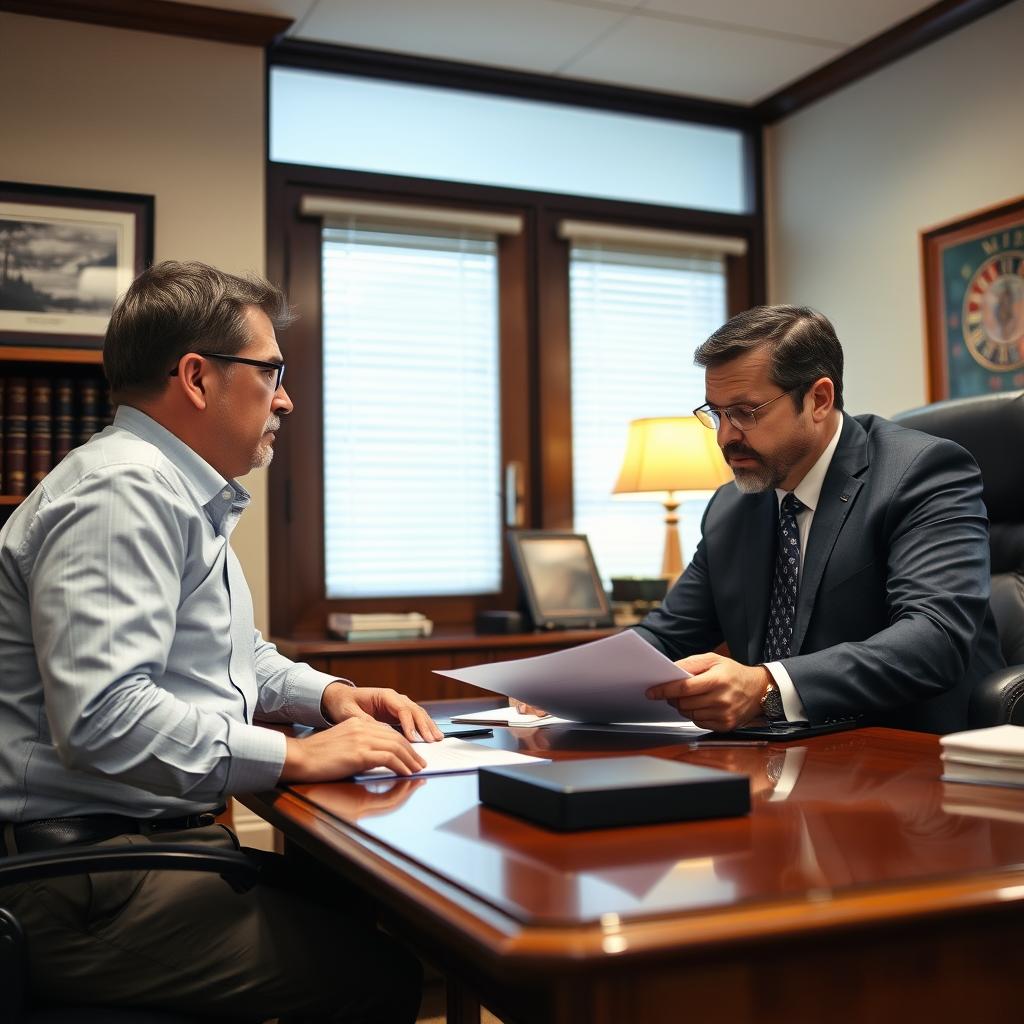
How long does a criminal case take in Schenectady County
No two criminal cases follow the same path, and the time from arrest to resolution in Schenectady County depends on the charge, the complexity of the evidence, court congestion, and whether the case goes to trial or is resolved through a negotiated disposition. A misdemeanor charge may be concluded in a matter of months, while a felony prosecution—particularly one requiring grand jury action—can extend well beyond a year. The procedural protections of New York Criminal Procedure Law and the specific practices of the Schenectady County courts also shape the timeline. For a discussion of the procedural factors that may affect your matter, reach Law Offices Of SRIS, P.C. at (888) 437‑7747.
How Long Does a Criminal Case Take in Schenectady County? A Direct Answer
There is no single answer. The typical sequence—arraignment, discovery, motion practice, possible plea negotiations, and trial—moves at a pace dictated by the charge level, the accused’s custody status, and the court’s docket. In Schenectady County, a non‑felony charge brought before the Schenectady County Criminal Court may be resolved in a few months if the case settles early or proceeds to a bench trial, while a felony indictment in Schenectady County Supreme Court generally adds months for grand jury presentation, motion practice, and potential trial preparation. Cases where the defendant is held in custody typically advance more quickly under New York’s speedy‑trial requirements, and procedural mechanisms such as an Adjournment in Contemplation of Dismissal (ACD) can end a case sooner for eligible first‑time defendants. Ultimately, each case’s pace reflects the unique legal and factual issues involved.
Factors That Influence Criminal Case Timelines in Schenectady County
The speed with which a criminal matter advances through the local courts is shaped by several practical realities. The most direct factors include the classification of the charge—whether it is a violation, misdemeanor, or felony—and whether the accused is released on recognizance or held in pretrial custody. Under New York’s 2020 bail reform, most misdemeanors and non‑violent felonies no longer carry cash bail; defendants are frequently released on their own recognizance, which can relieve some time pressure from the defense but also means the prosecution faces fewer external deadlines.
The complexity of the evidence and the number of witnesses also play a substantial role. Cases involving forensic analysis, multiple police reports, or voluminous digital records often require more time for discovery and motion practice. Similarly, the availability of judges, prosecutors, and defense counsel in the Schenectady County Supreme Court (located at 612 State Street, Schenectady, NY 12305) and the local criminal court affects hearing dates. While the courts operate efficiently, docket congestion can push trial dates further than the statutory speedy‑trial periods might suggest.
Criminal Court Proceedings in Schenectady County
The procedural path a case follows in Schenectady County depends on the level of the charged offense. Misdemeanors and violation‑level offenses begin in the Local Criminal Court of Schenectady County. After an arrest, the defendant is arraigned—typically within 24 hours—and advised of the charges and potential release conditions. If the matter is not resolved at or shortly after arraignment, the court sets a schedule for discovery and motion practice; a bench trial on a misdemeanor may follow within weeks or months, depending on the court’s calendar.
Felony charges take a different route. They are initially filed in the local criminal court for a preliminary hearing, but the case is later transferred to Schenectady County Supreme Court following a grand jury indictment. The indictment process itself can add several weeks to months. Once in Supreme Court, the defendant is arraigned again, and the parties engage in motion practice and discovery under Article 245 of the Criminal Procedure Law. Felony trials, when they occur, require more pretrial preparation and are generally scheduled months after the arraignment. Through the entire process, counsel can seek a favorable disposition—including a reduction or dismissal—at various stages.
Speedy Trial and Case Dismissal in New York
New York’s speedy‑trial statute, CPL § 30.30, requires the prosecution to declare readiness for trial within 90 days for a misdemeanor and six months for a felony. Failure to do so may lead to dismissal of the charges, though the calculation of excludable time is often contested. In Schenectady County, experienced defense counsel carefully tracks prosecutorial delay and litigates speedy‑trial motions when appropriate. Additionally, certain first‑offense cases are eligible for an Adjournment in Contemplation of Dismissal (ACD)—a court order that adjourns the matter for six to twelve months and results in an automatic dismissal if the defendant avoids new arrests and complies with any conditions imposed. The availability of an ACD is a valuable tool that can bring a case to a close far sooner than a full prosecution would require.
Frequently Asked Questions
Does New York have cash bail?
New York reformed bail in 2020, eliminating cash bail for most misdemeanors and non‑violent felonies. Most defendants in Schenectady County are released on recognizance. Criminal cases are heard at Schenectady County Criminal Court. An Adjournment in Contemplation of Dismissal (ACD) is available for many first offenses—charges are dismissed after six to twelve months. Law Offices Of SRIS, P.C. Actively practices here; Results may vary. and prior outcomes do not guarantee a similar result.
What happens immediately after an arrest in Schenectady County?
After an arrest, the defendant is brought before a judge for arraignment, usually within 24 hours. At arraignment, the court advises the accused of the charges and considers release conditions under New York’s bail‑reform statutes. For most misdemeanors and non‑violent felonies, cash bail is not set; the defendant is released on recognizance or with non‑monetary conditions. The case then proceeds to the next court date, which is typically scheduled within weeks for a misdemeanor or a preliminary hearing for a felony.
What is an Adjournment in Contemplation of Dismissal (ACD)?
An ACD is a court order that puts a criminal case on pause and results in a complete dismissal if the defendant stays out of legal trouble for a set period. In Schenectady County, an ACD is available for certain first‑offense matters. The case is adjourned for six to twelve months; if the defendant does not incur new charges and meets any conditions the court imposes, the case is dismissed and the record is sealed. It is a favorable outcome that avoids a conviction but is not available for every charge.
How long does a felony case typically take in Schenectady County Supreme Court?
Felony cases generally take longer than misdemeanors because they must be presented to a grand jury and then proceed in Supreme Court. The time from arrest to grand jury action can take weeks, and after an indictment, motion practice and discovery continue for months. A felony trial, if necessary, may not occur until six months to a year or more after the initial arrest. Cases that resolve by plea can shorten that timeline significantly.
Can a criminal case be dismissed before trial?
Yes, a criminal case can be dismissed before trial through a successful motion or a procedural mechanism such as an ACD or a speedy‑trial dismissal. If the prosecution has not declared readiness for trial within the statutory period—90 days for a misdemeanor, six months for a felony—the defense may move to dismiss under CPL § 30.30. Other pretrial motions, such as those challenging the sufficiency of the evidence or the legality of a search, may also result in dismissal.
What factors can delay a criminal case?
Delays often stem from the complexity of the evidence, the need for forensic testing, the number of witnesses, and disputes over pretrial motions. In Schenectady County, crowded court dockets can also push hearing dates further than expected. Additionally, defense counsel may request adjournments to conduct further investigation or to negotiate with the prosecutor. While some delay is inherent in any court system, an experienced attorney works to minimize unnecessary waiting and to keep the case moving toward a resolution.
Do I need a lawyer for a misdemeanor in Schenectady County?
You are not legally required to hire a lawyer for a misdemeanor, but proceeding without counsel is risky. A misdemeanor conviction in New York can carry a jail term of up to one year, a criminal record, and consequences for employment, housing, and professional licensing. An attorney can evaluate the prosecution’s evidence, identify procedural errors, negotiate with the prosecutor, and, when appropriate, pursue an ACD or other favorable disposition. For guidance on your specific situation, reach Law Offices Of SRIS, P.C. at (888) 437‑7747.
How does New York’s speedy‑trial law work?
New York’s CPL § 30.30 requires the prosecution to announce its readiness for trial within strict timelines, or the case may be dismissed. For a misdemeanor, the prosecution must be ready within 90 days of the commencement of the action; for a felony, within six months. Court‑related delays and defense‑requested adjournments are generally excluded from the calculation. An attorney can review the record and assert a speedy‑trial motion if the prosecution has not met its obligation.
What is the role of a grand jury in a Schenectady County felony case?
A grand jury reviews the prosecution’s evidence and decides whether there is probable cause to charge the defendant with a felony. Grand jury proceedings are secret, and the defense does not have the right to be present. If the grand jury returns an indictment, the case is transferred from the local criminal court to Schenectady County Supreme Court. If the grand jury does not indict, the felony charge may be dismissed or reduced to a misdemeanor.
What is a conditional sealing in New York?
Conditional sealing under CPL § 160.59 allows certain criminal convictions to be sealed after a ten‑year waiting period. This relief is available for qualifying convictions and can help reduce the lasting impact of a criminal record on employment and other opportunities. The statute has specific eligibility criteria, and a motion must be filed in the court where the conviction occurred. An attorney can assess whether a particular conviction qualifies and guide the application process.
How are criminal cases scheduled in Schenectady County?
The court sets a calendar based on the nature of the charges, the number of pending cases, and the availability of judges and counsel. After arraignment, the court typically schedules a status conference or a motion date. In misdemeanor cases, trial dates are set relatively soon; for felonies, the process is slower. Counsel can request a conference to discuss plea negotiations or to address discovery disputes, which may adjust the schedule. For a consultation about the specific timeline your case might follow, reach Mr. Sris and his Of Counsel at (888) 437‑7747.
About Mr. Sris and His Of Counsel Team
Law Offices Of SRIS, P.C. was founded in 1997. Mr. Sris is a former prosecutor who practices in Virginia, Maryland, the District of Columbia, New Jersey, and New York. Through his firm, Mr. Sris and his Of Counsel represent individuals facing criminal prosecution in Schenectady County and across the state. Mr. Sris and his Of Counsel bring extensive combined legal experience. Results may vary.
The firm’s approach focuses on building a thorough defense, scrutinizing the prosecution’s case, and pursuing the most favorable outcome the law allows. Mr. Sris testified before the Virginia House Courts of Justice Committee in support of 2019 HB 635 (chief patron Del. David Bulova).
To discuss how this team can help in a Schenectady County criminal matter, contact Law Offices Of SRIS, P.C. at (888) 437‑7747.
New York County criminal lawyer |
Kings County criminal lawyer |
Queens County criminal lawyer |
Richmond County criminal lawyer |
Nassau County criminal lawyer
Authoritative sources:
New York Penal Law |
New York Criminal Procedure Law |
Schenectady County Supreme Court
Attorney advertising. Prior results do not guarantee a similar outcome.
Case results depend on a variety of factors unique to each case.
Results may vary.