
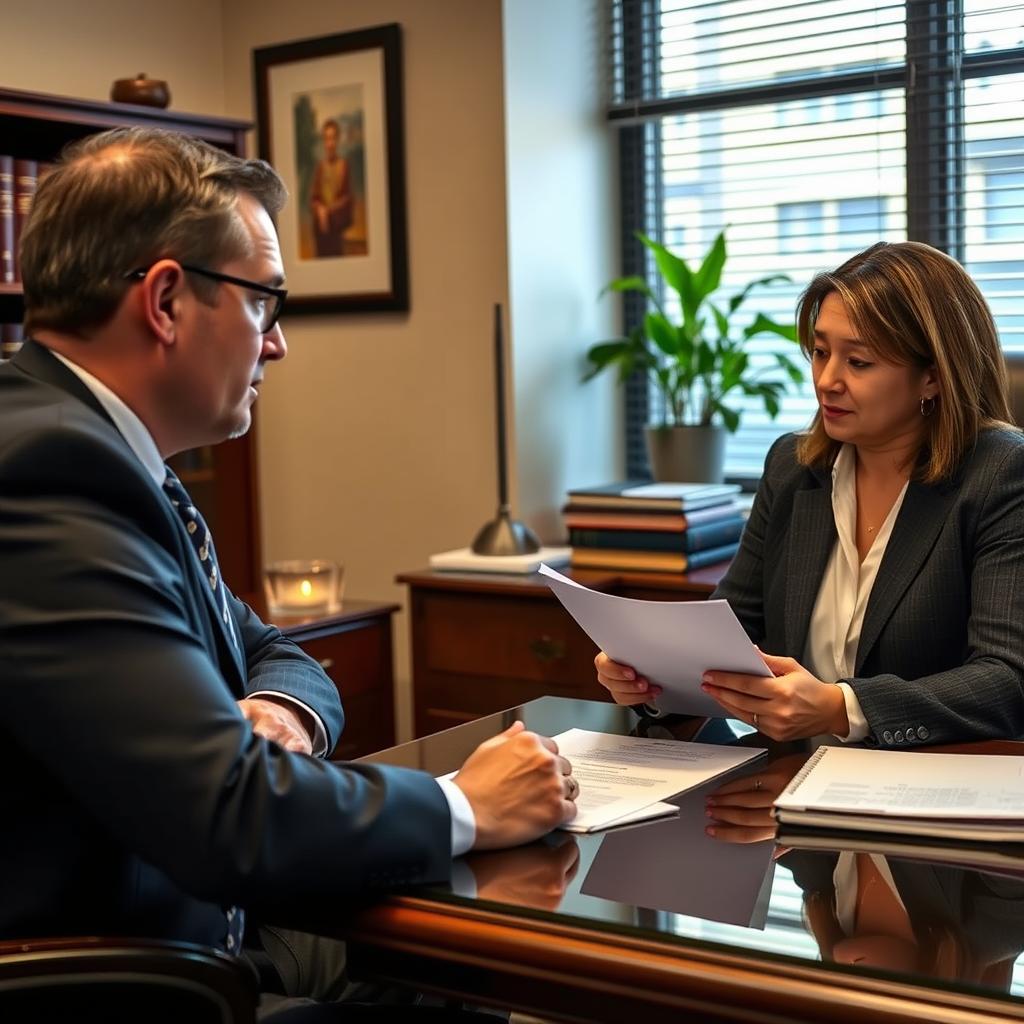
How long does a criminal case take in U Street Corridor
The timeline for a criminal case in the U Street Corridor area of Washington, D.C., varies widely. For a misdemeanor charge—such as simple drug possession, disorderly conduct, or shoplifting—the case may move from arrest to a plea or trial outcome in roughly two to four months. Felony charges, including drug distribution or more serious offenses, typically take six to twelve months or longer, depending on whether a grand jury indictment is required, the volume of evidence, and the court’s calendar. In the District of Columbia, criminal cases are prosecuted by the U.S. Attorney’s Office for the District of Columbia and are heard in the D.C. Superior Court. The Pretrial Services Agency, a federal agency, determines release conditions rather than a cash-bail system. These unique jurisdictional features can influence case pacing. If you or a loved one is facing a criminal charge in the U Street Corridor neighborhood, understanding the court process and having experienced legal guidance is critical. Law Offices Of SRIS, P.C. represents individuals in D.C. Criminal matters; call (888) 437-7747 to schedule a consultation. Law Offices Of SRIS, P.C. – Advocacy Without Borders.
Understanding Criminal Case Timelines in the U Street Corridor
Washington, D.C. Operates under a distinctive criminal justice structure. Unlike most states, the District is a federal territory where the U.S. Attorney’s Office prosecutes crimes under the D.C. Code, and the D.C. Superior Court functions as the local trial court. For U Street Corridor residents, all criminal cases are filed at the courthouse at 500 Indiana Avenue NW, a short distance from the neighborhood. The length of a case is shaped by several stages that apply whether the offense involves drug possession, theft, or a more serious allegation.
After an arrest, the defendant is typically brought before a judicial officer for an initial appearance within 24 hours. At that hearing, the court reviews the Pretrial Services Agency’s risk assessment and may impose release conditions. Misdemeanor arraignment and trial dates are set on an expedited track; many misdemeanor cases resolve within two to four months. Felony cases take significantly longer because they require a grand jury indictment, followed by an arraignment in the felony division. From the time of indictment to trial, it is common for six to twelve months to pass. In complex matters, especially those involving forensic testing, multiple defendants, or competency evaluations at St. Elizabeths Hospital, the timeline can extend further. The Speedy Trial Act applies to cases in D.C. Superior Court, which imposes certain time limits; however, many procedural events toll those clocks. A knowledgeable defense attorney can assess the likely duration for a specific case and identify opportunities to resolve a matter without trial when appropriate.
Frequently Asked Questions
How long does a drug possession case take in the U Street Corridor?
Simple drug possession cases in D.C. Are usually resolved within two to four months if no trial is necessary. Because personal-use possession of many controlled substances can proceed on a relatively short track in D.C. Superior Court, a first-time defendant may go from arrest to plea or diversion within a few months. However, if the facts are contested or the case involves felony drug distribution, the timeline can extend to six months or more. The U.S. Attorney’s Office must file formal charges within a limited period, and a lawyer can help determine whether early resolution is possible or whether pretrial motions might shift the schedule.
Does D.C. Use cash bail, and how does that affect the timeline?
No, the District of Columbia does not rely on a cash-bail system for most offenses. Instead, the Pretrial Services Agency uses a risk-assessment tool to recommend release or detention. This means that within 24 hours of arrest, a defendant typically has a hearing where conditions such as supervision, drug testing, or stay-away orders are set. The absence of a bail-bond process can speed the early phase of a case because the defendant is not waiting to post bond. However, the case’s pace is still driven by the charge severity and the court’s docket.
What is the difference between a misdemeanor and a felony timeline in D.C.?
Misdemeanor cases generally reach a plea or trial within two to four months; felony cases often take six to twelve months or longer. The main reason is that felonies require indictment by a grand jury, which adds time. Misdemeanors are filed by information and move directly to arraignment. For a U Street Corridor resident, a misdemeanor such as simple assault or petit larceny may be resolved more quickly than a felony like drug distribution or armed robbery.
How does the Speedy Trial Act affect a criminal case in D.C.?
The Speedy Trial Act sets time limits for bringing a case to trial, but its application in D.C. Superior Court involves unique local rules. The Act generally requires that a trial begin within a certain number of days after the complaint or indictment, excluding certain delays. In D.C., the statutory framework works alongside the court’s own scheduling orders. A defendant can assert speedy-trial rights, and an experienced lawyer can monitor whether the government is meeting its deadlines, which may influence the pace of the case.
Can a case be dismissed before trial in the U Street Corridor area?
Yes, a criminal case in D.C. Superior Court can be dismissed before trial if the evidence is insufficient, if procedural violations occurred, or if the prosecution elects not to proceed. A motion to dismiss may be filed early in the case, and if granted, the case ends without a trial. The U.S. Attorney’s Office may also enter a nolle prosequi, declining to prosecute. These outcomes can happen within weeks or months of arrest, depending on the investigation and legal arguments. An attorney can assess whether a pretrial dismissal is possible.
What happens if a competency evaluation is needed?
If a defendant’s mental competency is questioned, the court may order an evaluation at St. Elizabeths Hospital, which can add thirty to ninety days to the case. During that period, the legal proceedings are typically paused. Once the evaluation report is submitted, the court holds a hearing to determine competency. This process extends the timeline substantially, but it is a critical safeguard to ensure a fair proceeding.
How long does expungement take after a criminal case is resolved in D.C.?
Expungement, or record sealing, in D.C. Varies by eligibility and can take several months after a motion is filed. For cases that are dismissed, acquitted, or nolle prossed, a motion to seal can be filed immediately; for certain convictions, a waiting period applies. The court will schedule a hearing, and if granted, the process of sealing the record may take additional weeks to complete. Speaking with an attorney can clarify whether a particular charge is eligible for expungement.
How can a defense lawyer help reduce the time a case takes?
An experienced criminal defense lawyer can often shorten a case by negotiating an early resolution, identifying procedural shortcuts, or obtaining a dismissal before trial. By reviewing discovery promptly, challenging weak evidence, and engaging with the prosecutor early, counsel may help the defendant avoid a lengthy trial schedule. While every case is different, legal representation tends to bring clarity and forward movement rather than delay.
Does the type of drug charge affect how long the case lasts?
Yes, the nature of the drug charge significantly affects the timeline. Simple possession cases often resolve faster than distribution or trafficking charges. Possession of a small amount of a controlled substance may qualify for diversion programs that can lead to dismissal in a few months. In contrast, felony drug distribution charges involve more complex discovery, potential confidential informants, and longer negotiations, often taking six to twelve months or more.
How do I find a criminal defense lawyer near U Street Corridor?
Look for an attorney who is admitted to practice in the District of Columbia, has experience in D.C. Superior Court, and offers a consultation to discuss your case. Law Offices Of SRIS, P.C. handles criminal matters throughout Washington, D.C., including the U Street Corridor, Logan Circle, and Shaw neighborhoods. To speak with Mr. Sris and his Of Counsel team about your situation, call (888) 437-7747. You can discuss your timeline concerns and learn what steps to take next.
About Mr. Sris and His Of Counsel Team
Mr. Sris, Owner and Founder of Law Offices Of SRIS, P.C., is a former prosecutor who has practiced criminal law since 1997. He is admitted to the bars of Virginia, Maryland, the District of Columbia, New Jersey, and New York. His Of Counsel team includes attorneys with extensive criminal defense experience, including a former Maryland Assistant State’s Attorney and a former Virginia State Trooper. Together, Mr. Sris and his Of Counsel bring over 120 years of combined legal experience and 4,739+ documented firm-wide results to criminal matters in D. Results may vary.C. Superior Court. The firm’s approach is to analyze case timelines carefully, protect the client’s rights at every stage, and work toward a favorable resolution. For a consultation about a criminal case in the U Street Corridor area, call (888) 437-7747.
Attorney advertising. Prior results do not guarantee a similar outcome.
Case results depend on a variety of factors unique to each case.