
What happens at a criminal arraignment in Georgetown
A criminal arraignment in Georgetown is the first formal court hearing in a criminal case, held at the D.C. Superior Court Criminal Division. At the arraignment, a judge informs the defendant of the specific charges, confirms the defendant’s identity, advises the defendant of the right to counsel, and asks for a plea—guilty, not guilty, or nolo contendere. In Washington, D.C., the U.S. Attorney’s Office prosecutes criminal matters, and the Pretrial Services Agency (PSA) often conducts a risk assessment before the hearing to recommend release conditions. Having an experienced defense attorney present at arraignment is critical because decisions about pretrial release, plea entry, and future court dates can shape the entire case. Mr. Sris and his Of Counsel at Law Offices Of SRIS, P.C. represent clients at arraignments in Georgetown and throughout the District of Columbia. Reach our location at (888) 437-7747 to request a consultation. Law Offices Of SRIS, P.C. – Advocacy Without Borders.
The Arraignment Process in D.C. Superior Court
In Georgetown, all criminal cases—from minor misdemeanors to serious felonies—are heard at the D.C. Superior Court located at 500 Indiana Avenue NW, just a short distance from the Georgetown neighborhood. The arraignment is the proceeding where the formal charges are read in open court. For adults charged with a criminal offense, the appearance generally proceeds through several distinct steps.
First, the court verifies the defendant’s name and identity. The judge then reads the charging document—typically an indictment or information—that lists each offense and the corresponding D.C. Code section under which the prosecution is proceeding. The defendant is advised of the right to be represented by an attorney. If the defendant cannot afford counsel, the court may appoint a lawyer through the Public Defender Service for the District of Columbia (PDS). Next, the judge asks the defendant to enter a plea: not guilty, guilty, or, in limited circumstances, nolo contendere. If the defendant pleads not guilty, the court schedules future hearings, including a status conference and, ultimately, a trial date. If the defendant pleads guilty, the judge conducts a plea colloquy to ensure the plea is knowing, voluntary, and supported by a factual basis before accepting it.
Because Washington, D.C. Has a unique federal-local hybrid justice system, the U.S. Attorney’s Office prosecutes both local and federal cases, and the Pretrial Services Agency (PSA)—a federal agency—plays a significant role. Before a defendant appears for arraignment, PSA typically interviews the individual, verifies community ties, and prepares a risk assessment report. The report helps the judge decide whether to release the defendant on personal recognizance, impose non-financial conditions, or, in rare circumstances, order detention. DC does not operate a traditional cash bail system for most offenses; instead, release is based on a risk assessment administered by PSA. Understanding this system is crucial when facing an arraignment in Georgetown.
How Mr. Sris and His Of Counsel Help at the Arraignment
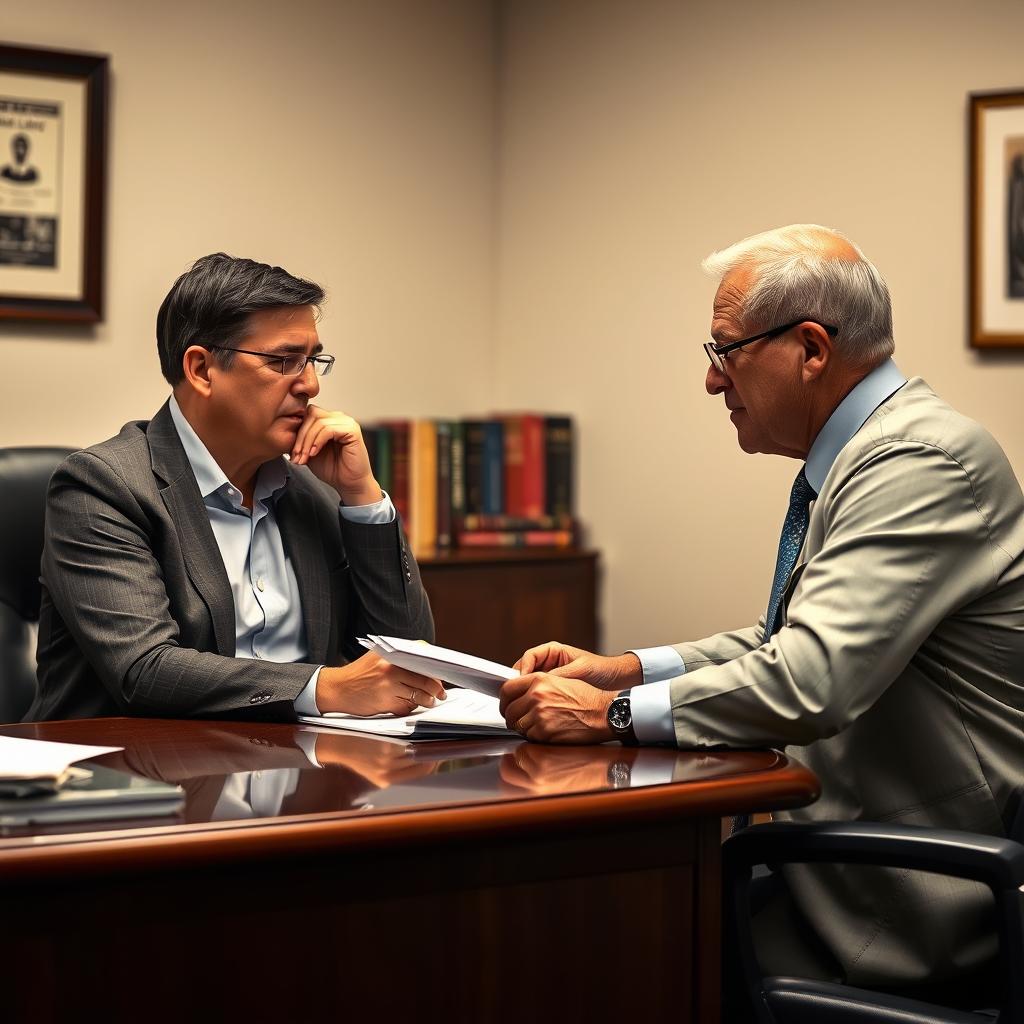
At Law Offices Of SRIS, P.C., Mr. Sris and his Of Counsel team appear with clients at arraignments in Georgetown and throughout the District of Columbia. Their presence allows the defense to address procedural issues early, challenge any improper charges or overcharging, and advocate for the most favorable pretrial release conditions. Mr. Sris, a former prosecutor, understands how the U.S. Attorney’s Office approaches cases and uses that knowledge to negotiate on the client’s behalf from the outset.
Our team prepares thoroughly before the hearing—reviewing the initial arrest report, interviewing the client, and identifying weaknesses in the government’s case. During the arraignment, we can argue for release on personal recognizance or minimal conditions, present evidence of community ties, and ensure the defendant’s rights are protected. Arraignments are often the first opportunity to push back against the prosecution’s narrative, and having skilled counsel present can influence everything from release decisions to the direction of the case. Mr. Sris and his Of Counsel bring over 120 years of combined legal experience and have achieved over 4,739 documented firm-wide results. Results may vary.
Frequently Asked Questions
What is an arraignment?
An arraignment is the court hearing where a defendant is formally informed of the charges and asked to enter a plea. In Georgetown, this takes place at the D.C. Superior Court Criminal Division. The judge reads the indictment or information, advises the defendant of the right to counsel, and sets bail or release conditions. This proceeding marks the official start of the criminal case in court.
Do I need a lawyer at my arraignment?
Yes, having legal representation at arraignment is strongly advised because important decisions—such as plea entry and release conditions—are made that impact the entire case. The court will appoint a public defender if you qualify, but hiring private counsel like Mr. Sris and his Of Counsel allows you to have an attorney who can begin building your defense and advocating for your interests from the first hearing.
What happens if I plead not guilty at arraignment?
A not guilty plea at arraignment preserves your right to a trial and contests the charges. After a not guilty plea, the court will set future dates for status hearings, pretrial motions, and a trial date. The case then proceeds to discovery, where the prosecution must disclose evidence, and your attorney can challenge the government’s case through motions and investigation.
How does the Pretrial Services Agency (PSA) affect arraignment in DC?
PSA conducts a risk assessment and makes a release recommendation to the judge before or at the arraignment. This assessment considers community ties, criminal history, and other factors. Because DC generally does not use cash bail, the judge relies on PSA’s report to decide whether to release the defendant on personal recognizance, impose conditions, or order pretrial detention.
What types of criminal charges are arraigned in Georgetown?
All adult criminal offenses—from simple assault and theft to serious felonies like robbery and sex crimes—are arraigned at the D.C. Superior Court, regardless of where in the District the alleged offense occurred. Georgetown cases are no different; they proceed through the same Criminal Division as those from any other neighborhood. Federal indictments brought in the U.S. District Court for D.C. Follow a separate procedure.
Can I be released at the arraignment?
Yes, the judge can order release at the arraignment after considering the PSA risk assessment and arguments from defense counsel. Release may be on personal recognizance (a promise to return to court) or with conditions such as reporting to a pretrial services officer, avoiding certain locations, or electronic monitoring. A lawyer can argue for the least restrictive conditions.
What should I bring to my arraignment in Georgetown?
Bring identification, any paperwork from the police or the court, contact information for your lawyer, and proof of community ties such as employment records or a lease. Also, bring a list of any medications and personal items you may need if you are detained, though with counsel present you can often avoid detention. Dress respectfully for court.
What if I miss my arraignment?
Missing a scheduled arraignment can lead to a bench warrant for your arrest, and you may face additional charges for failure to appear. If you realize you will miss the hearing, contact your attorney immediately. An attorney can often notify the court and request a new date, minimizing consequences.
How long does an arraignment take?
An arraignment itself is typically brief—often lasting only a few minutes—but the waiting time at the courthouse can be several hours. The duration varies depending on the court calendar and the complexity of the case. Having an attorney who is familiar with D.C. Superior Court procedures can help move things along efficiently.
Can I change my plea after arraignment?
Yes, a not guilty plea entered at arraignment can later be changed to guilty or nolo contendere as part of a negotiated plea agreement with the U.S. Attorney’s Office. However, changing a plea is a serious decision that should be made only after thorough consultation with your attorney and after you understand the consequences.
What is the role of the U.S. Attorney in DC criminal arraignments?
The U.S. Attorney’s Office prosecutes all local adult criminal cases in D.C. Superior Court and represents the government at arraignment. A prosecutor from that office will read the charges, may argue for detention or conditions of release, and will handle the case through trial. This is unique among U.S. Jurisdictions, where typically a district attorney’s office handles local prosecutions.
How can a lawyer help tailor the arraignment process to my case?
A lawyer can negotiate with the prosecutor before the hearing, challenge overcharging, seek dismissal of unsupported charges, and advocate for favorable release terms. Early intervention at arraignment often sets the tone for the entire case. Mr. Sris and his Of Counsel leverage their prosecution background to identify weaknesses early and push for outcomes that protect the client’s interests from day one.
Are arraignments open to the public?
Yes, criminal arraignments in D.C. Superior Court are generally open to the public, and family or supporters may attend unless the court orders otherwise for security or privacy reasons. Public access supports transparency, but sensitive cases involving minors or certain sexual offenses may be partially closed. Your attorney can advise whether bringing supporters is helpful.
What happens after arraignment in a Georgetown criminal case?
After arraignment, the case moves into the pretrial phase—discovery, motion practice, and status hearings—experienced ultimately to a trial or a plea resolution. Your attorney will review evidence, interview witnesses, file motions to suppress or dismiss, and negotiate with the prosecutor. For more serious felonies, a grand jury indictment may already have been obtained; the arraignment simply formalizes the charges.
Why choose Law Offices Of SRIS, P.C. for your Georgetown arraignment?
Mr. Sris, a former prosecutor, and his Of Counsel team have extensive experience in the D.C. Superior Court and a thorough understanding of the local procedures and the U.S. Attorney’s Office. We prepare every case as if it is going to trial, advocating strongly from arraignment onward. Our location in Arlington serves Georgetown clients conveniently, and we are available during business hours to answer your questions. To discuss your arraignment, reach our location at (888) 437-7747.
For further reading, see our informational guides on criminal defense in Washington, D.C., Spring Valley criminal representation, and Cleveland Park defense services.
Primary legal sources: D.C. Code Title 22 · D.C. Superior Court · Pretrial Services Agency for the District of Columbia
Attorney advertising. Prior results do not guarantee a similar outcome. Results may vary. Case results depend on a variety of factors unique to each case. Attorney responsible for this advertising: Mr. Sris.