
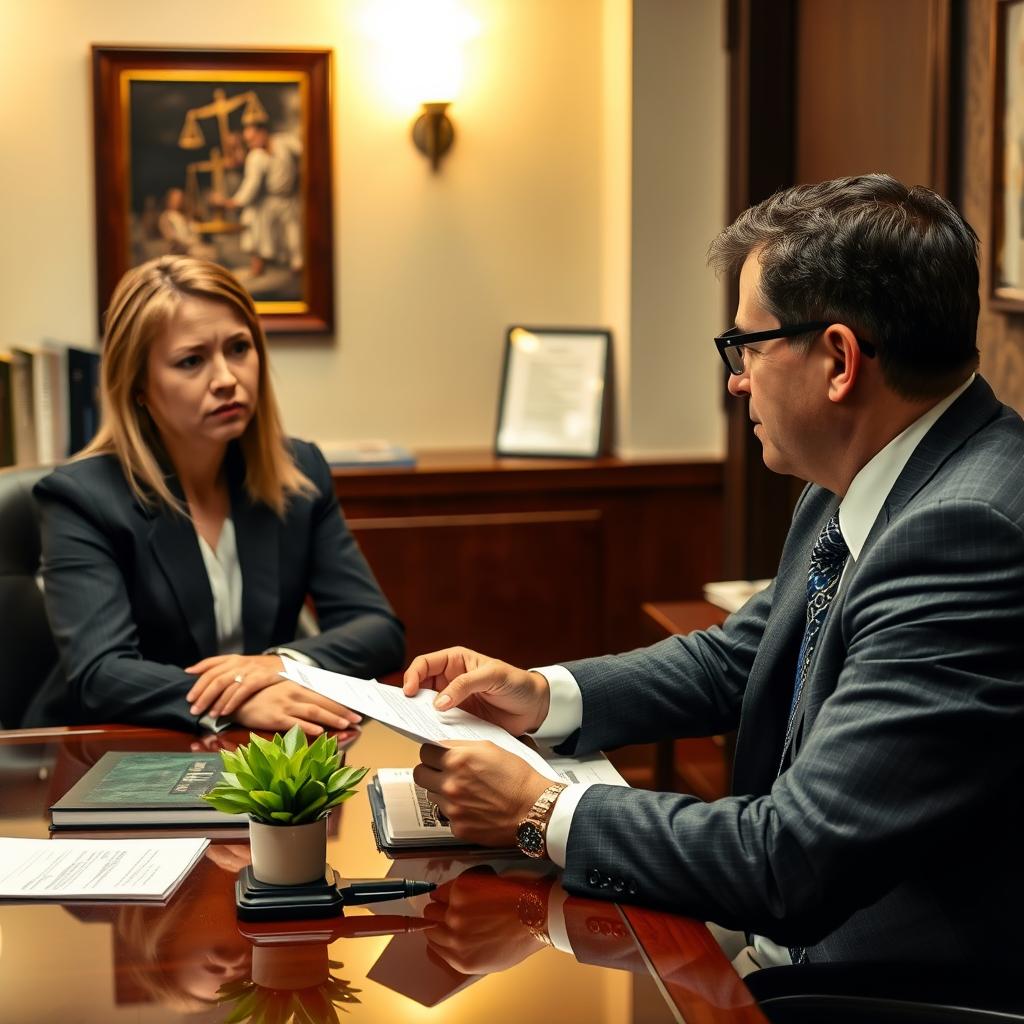
What happens at a criminal arraignment in Logan Circle
A criminal arraignment in Logan Circle — a neighborhood served by the D.C. Superior Court — is the first formal court appearance after an arrest. At this hearing, the court advises you of the charges the United States Attorney’s Office is bringing against you, confirms your legal representation, addresses pretrial release conditions, and sets the next court date. The process is governed by D.C. Code and local court rules, and because the District of Columbia operates as a unique federal‑local hybrid jurisdiction, the arraignment proceeds under procedures distinct from those in Virginia or Maryland. Law Offices Of SRIS, P.C. has represented clients in D.C. Criminal matters since 1997. If you have been arrested or are expecting an arraignment, reach our firm at (888) 437-7747 to discuss your situation. Law Offices Of SRIS, P.C. – Advocacy Without Borders.
What Is a Criminal Arraignment in Washington, D.C.?
An arraignment is the hearing where you are formally told what crime the government alleges. For someone in Logan Circle, this hearing takes place at D.C. Superior Court — Criminal Division, located at 500 Indiana Avenue NW, Washington, DC 20001, near Judiciary Square. The U.S. Attorney’s Office prosecutes most local criminal offenses in D.C., giving the District a federal character that affects how arraignments proceed. At the arraignment, the judge reads the charges (or confirms you have received the indictment or information), asks how you plead, and determines your release status. If you cannot afford your own attorney, the court may appoint one from the Public Defender Service for D.C.
Unlike many states, the District of Columbia does not use traditional cash bail for most offenses. Instead, the D.C. Pretrial Services Agency (PSA) — a federal agency — conducts a risk assessment before the hearing and recommends conditions of release. The judicial officer may release you on personal recognizance, impose conditions such as stay‑away orders, or, in limited cases, order detention. The arraignment also sets the schedule for further proceedings, including status hearings and the eventual trial date. For misdemeanors, the arraignment typically occurs at the first appearance, often within 24 hours of arrest. In felony matters, the arraignment follows a grand jury indictment, which can take weeks or months.
Understanding what happens at this hearing matters because everything that follows — plea negotiations, motions, trial preparation — builds on the record made at arraignment. Mr. Sris and his Of Counsel team attend arraignments regularly at D.C. Superior Court, advise clients on how to plead, advocate for the least restrictive release conditions, and begin shaping the defense strategy from the very first appearance.
What Happens at the Arraignment Hearing at D.C. Superior Court
When you appear for arraignment at D.C. Superior Court, several steps occur in sequence:
1. Case Call and Identification. The courtroom clerk calls your case. You identify yourself to the judge. If you are represented by private counsel, your attorney identifies themselves to the court.
2. Advising of Charges. The judge reads the charges against you or confirms that you have already received a copy of the charging document. In felony cases, this is the indictment returned by a grand jury. In misdemeanors, it is the information filed by the U.S. Attorney’s Office.
3. Right to Counsel. The court ensures you understand your right to an attorney. If you cannot afford one, the court may appoint counsel. If you have retained Mr. Sris and his Of Counsel, your attorney enters an appearance at this point.
4. Entry of Plea. You enter a plea of not guilty, guilty, or, in some cases, nolo contendere. The vast majority of defendants plead not guilty at arraignment, preserving the right to challenge the charges and negotiate with the prosecutor later.
5. Release Determination. The judicial officer reviews the PSA report and hears arguments from both the prosecutor and your attorney about release conditions. The officer may release you on personal recognizance, impose conditions, or order pretrial detention if the person presents a danger or a flight risk. The D.C. System strongly favors pretrial release when conditions can address any risk.
6. Scheduling. The judge sets the next court date — typically a status hearing — and may set deadlines for discovery, motions, and other pretrial matters.
Having an experienced criminal attorney at your side for this first appearance is critical. The decisions made at arraignment — from the plea to the release conditions — can shape the entire case.
What Should You Do After an Arraignment in Logan Circle
After the arraignment, the real work of preparing a defense begins. There are several important steps to take immediately:
- Do not discuss your case with anyone except your attorney. Anything you tell friends, family, or cellmates can potentially come back to hurt you if the prosecutor learns of it.
- Follow all release conditions exactly. Violating a stay‑away order, missing a drug test, or failing to report as required can lead to revocation of your release and new charges.
- Gather relevant documents and evidence. Preserve text messages, emails, photos, receipts, and any other items that may help your defense. Give them to your attorney as soon as possible.
- Stay in close communication with your legal team. Law Offices Of SRIS, P.C. Makes itself available to answer your questions and keep you informed as the case progresses.
From this point forward, your attorney will investigate the facts, examine the government’s evidence, identify legal issues, and, where appropriate, negotiate with the prosecutor. Many D.C. Criminal cases resolve through plea agreements, but if a trial is necessary, Mr. Sris and his Of Counsel team provide thorough trial preparation. Results vary; no attorney can promise a particular outcome.
How Mr. Sris and His Of Counsel Can Help with Criminal Cases in D.C.
Law Offices Of SRIS, P.C. has focused part of its practice on D.C. Criminal defense since 1997. Mr. Sris, a former prosecutor who founded the firm, is admitted to practice in the District of Columbia, allowing him to appear in D.C. Superior Court. Mr. Sris and his Of Counsel bring over 120 years of combined legal experience to criminal matters, and the firm maintains a location in Arlington, Virginia, just a few miles from the courthouse on Indiana Avenue. Results may vary.
The firm’s approach begins at the arraignment and carries through every stage of the proceeding. Attorneys from Law Offices Of SRIS, P.C. Appear regularly at D.C. Superior Court. They challenge the sufficiency of the government’s evidence, negotiate with Assistant U.S. Attorneys, file motions to suppress evidence or dismiss charges, and take cases to trial when it serves the client’s interests. The firm has documented 4,739+ case results across all practice areas since 1997. Results may vary.
For a consultation about your arraignment or any pending criminal matter in Logan Circle, reach Mr. Sris and his Of Counsel at (888) 437-7747.
Frequently Asked Questions About Criminal Arraignments in Logan Circle
Do I need a lawyer at the arraignment?
Yes, having a lawyer at your arraignment is strongly recommended. The arraignment determines how you will plead, what conditions of release you face, and how your case proceeds. An attorney can argue for your release, preserve your rights, and begin building your defense from the moment you enter the courtroom. You have a right to an attorney at every stage of a criminal proceeding in D.C. If you cannot afford one, the Public Defender Service is available. If you retain Law Offices Of SRIS, P.C., your attorney will be with you at the arraignment and every subsequent step.
What plea should I enter at my arraignment?
Most defendants enter a plea of not guilty at the arraignment. A not‑guilty plea preserves all of your rights; it does not mean you cannot later negotiate a plea agreement or change your plea. Your attorney will advise you on the trusted plea based on the facts of your case. Pleading guilty at arraignment is unusual and should never be done without the advice of counsel.
Will I be released after my arraignment in D.C.?
Release after arraignment depends on the Pretrial Services Agency’s risk assessment and the judicial officer’s decision. D.C. Does not use traditional cash bail. You may be released on personal recognizance, released with conditions, or, in more serious cases, detained. Having a criminal defense attorney argue for the least restrictive conditions can improve the chances of release. Law Offices Of SRIS, P.C. works to present a strong case for your release at the first appearance.
What happens if I miss my arraignment?
Missing a court date in D.C. Can lead to a bench warrant for your arrest and additional charges. The court may forfeit any bond or release conditions, and you could be taken into custody. If you have a valid reason, your attorney may be able to recall the warrant or reschedule the hearing. If you realize you will miss a court date, contact your attorney immediately at (888) 437-7747.
How long does a criminal case take in D.C. After arraignment?
The timeline after arraignment varies by case type. Misdemeanor cases may resolve in a few months, while felony cases can take six months to a year or more, especially if the matter goes to trial. The Speedy Trial Act imposes certain time limits, and the court’s schedule also affects timing. Your attorney can give you a better estimate after reviewing the charges and the discovery.
Can the charges be dropped at arraignment?
It is uncommon for charges to be dismissed at the arraignment stage. The prosecutor’s decision to file charges has already been made. However, if there is a clear legal defect in the charging document or the evidence supporting the arrest is insufficient, your attorney may raise those issues at the arraignment or shortly after. Most dismissals occur later in the process after motions or negotiations.
What should I wear to court for my arraignment?
Dress conservatively and respectfully. While you do not need to wear a suit, clean and neat clothing — slacks and a button‑down shirt for men, a dress or blouse and skirt for women — helps make a positive impression on the judge. Avoid shorts, tank tops, and clothing with offensive messages. If you are in custody, the facility will provide appropriate attire.
Is an arraignment different in D.C. Than in Virginia or Maryland?
Yes, arraignments in D.C. Are distinct because of the District’s federal‑local hybrid structure. The U.S. Attorney’s Office prosecutes, and the court follows D.C. Code Title 22 rather than state statutes. There is no traditional cash bail system, and the Pretrial Services Agency plays a central role. Law Offices Of SRIS, P.C. is familiar with these procedures and appears regularly at D.C. Superior Court.
About Mr. Sris and His Of Counsel Team
Mr. Sris, Owner and Founder of Law Offices Of SRIS, P.C., has concentrated his practice on criminal defense in the District of Columbia, Virginia, and Maryland since 1997. He is a former prosecutor whose background informs the defense strategies the firm employs. Mr. Sris testified before the Virginia House Courts of Justice Committee in support of 2019 HB 635 (chief patron Del. David Bulova).
The firm’s Of Counsel team includes attorneys who also represent clients in D.C. Criminal matters, appearing at D.C. Superior Court for arraignments, hearings, and trials. Together, Mr. Sris and his Of Counsel bring over 120 years of combined legal experience. Results may vary.
Also learn about:
- Washington, D.C. Criminal defense lawyer
- Georgetown criminal lawyer
- Spring Valley criminal lawyer
- Cleveland Park criminal lawyer
- Chevy Chase DC criminal lawyer
Outbound primary sources:
Attorney advertising. Prior results do not guarantee a similar outcome.
Case results depend on a variety of factors unique to each case.