
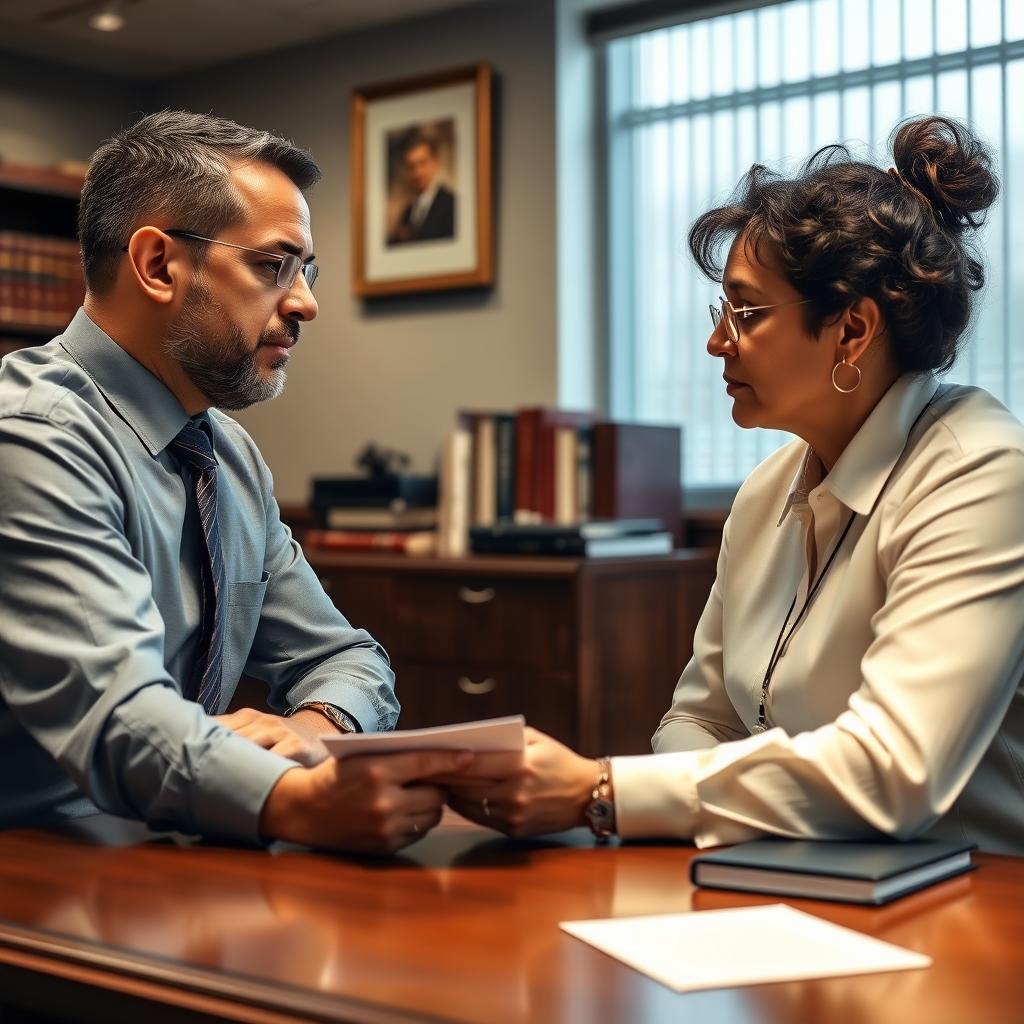
What happens at a federal arraignment in Morris County
A federal arraignment is the first time a defendant appears before a judge after being charged with a federal crime. In Morris County, that appearance typically takes place at the U.S. District Court for the District of New Jersey, usually in the Newark division. The arraignment serves several purposes: the court ensures the defendant understands the charges, is aware of constitutional rights, and enters a plea. Mr. Sris, Owner and Founder of Law Offices Of SRIS, P.C., has extensive experience guiding clients through this critical stage. To discuss a federal matter, you can reach our firm at (888) 437-7747.
Law Offices Of SRIS, P.C. – Advocacy Without Borders.
What a Federal Arraignment Is
In the federal system, an arraignment is a formal hearing under Rule 10 of the Federal Rules of Criminal Procedure. It occurs after an indictment or information has been filed and the defendant has been arrested or summoned. The proceeding is presided over by a U.S. Magistrate Judge, who ensures that procedural safeguards are honored. The arraignment is not the trial; it is the occasion where the court formally advises the defendant of the charges, verifies the defendant’s identity, and receives the initial plea. For Morris County residents facing federal charges, the arraignment marks the start of a case that will proceed in the federal judiciary rather than the New Jersey state court system.
The Federal Arraignment Process Step by Step
When a defendant appears for arraignment in the District of New Jersey, the hearing follows a predictable sequence. First, the magistrate judge reads the charges contained in the indictment, or summarizes them, and confirms the defendant understands. The court then advises the defendant of rights—including the right to remain silent, the right to counsel, and the right to a trial by jury. Next, the court addresses legal representation; if the defendant cannot afford an attorney, the judge may determine eligibility for a federal public defender or appointed counsel. The plea stage follows. In almost every federal case, the defendant enters a plea of not guilty at this early stage, preserving the right to challenge the government’s evidence, negotiate a plea agreement, or prepare for trial. A plea of guilty or nolo contendere at arraignment is rare without prior negotiation.
After the plea, the court turns to pretrial release and detention. Under the Bail Reform Act (18 U.S.C. § 3142), the magistrate judge considers whether the defendant poses a flight risk or a danger to the community. The government may argue for detention, and the defense may present evidence and argument for release on bond or conditions such as electronic monitoring, travel restrictions, or reporting to pretrial services. The judge may set bond or release conditions, or order the defendant detained pending trial. Finally, the court enters a scheduling order setting deadlines for discovery, motions, and a trial date within the Speedy Trial Act’s requirements. Many federal cases continue for months or longer, depending on complexity, but the arraignment establishes the framework for all that follows.
The Court: Where Federal Arraignments Happen for Morris County
Morris County is within the federal District of New Jersey. The court hears matters in Newark, Trenton, and Camden. For Morris County defendants, the arraignment is almost always held in the Newark courthouse at 50 Walnut Street, Newark, NJ 07101. The Newark division handles federal criminal cases arising out of northern New Jersey counties, including Morris. U.S. Magistrate Judges handle initial appearances and arraignments in that building. The court’s Procedural History shows that the U.S. Attorney’s Office for the District of New Jersey prosecutes the case. Federal investigations may involve agencies such as the FBI, DEA, IRS-Criminal Investigation, or Homeland Security Investigations, making the procedures different from state-level matters.
Our firm’s New Jersey location serves Morris County clients through Mr. Sris, who is admitted to practice in the U.S. District Court for the District of New Jersey. Local procedural knowledge matters. For instance, pretrial services officers in Newark conduct intake interviews for release recommendations, and the court’s standard order for discovery and motions often follows a format familiar to regular practitioners. While every case is unique, understanding the officers, the judicial preferences, and the timing expectations of the Newark division can help a defendant approach the arraignment with greater confidence.
After the Arraignment: What Comes Next
Following a not-guilty plea, the case moves into the pretrial phase. The government must provide discovery, including evidence it intends to use at trial and potentially exculpatory material. Defense counsel reviews the discovery, investigates the facts, and may file motions—such as motions to suppress evidence or dismiss the indictment. Plea negotiations often run concurrently. Federal sentencing guidelines are advisory but carry significant weight, so an early assessment of the guidelines range can inform strategy. The Speedy Trial Act requires trial to commence within 70 days of the defendant’s initial appearance (with certain excludable periods). Realistically, many federal cases take many months to resolve, and complex cases like large-scale drug conspiracies or financial fraud can last well over a year. Mr. Sris and his Of Counsel team work to protect the client’s rights at each step, from arraignment through resolution. To discuss your federal matter, reach our firm at (888) 437-7747.
Frequently Asked Questions
What is the purpose of a federal arraignment?
The purpose is to formally advise the defendant of the charges, rights, and to take a plea. Beyond that, the arraignment sets bail or detention terms and begins the schedule for the case. The judge ensures the defendant understands the proceedings and has legal representation. It is a procedural milestone, not a trial; no evidence is presented, and guilt is not determined.
Do I need a lawyer at a federal arraignment in Morris County?
You are entitled to counsel at every stage of a federal case, and it is critical to have an attorney present at the arraignment. The decisions made at arraignment—including what plea to enter and how bail arguments are framed—can influence the entire case. A federal defense attorney can argue for pretrial release, protect your rights, and begin building a strategy from day one.
What happens if I plead guilty at arraignment?
Pleading guilty at arraignment results in the court accepting the plea only after a thorough colloquy to ensure it is knowing and voluntary. Most defendants plead not guilty at this stage, reserving the option to negotiate a plea agreement later. A guilty plea at the very first hearing is unusual and can limit subsequent options unless it is part of a prearranged disposition.
Can I get bail at a federal arraignment in Morris County?
Bail is determined by the magistrate judge based on risk of flight and danger to the community under the Bail Reform Act. The judge may set monetary bond, release the defendant on personal recognizance, or impose non-monetary conditions like home confinement, electronic monitoring, or travel limits. The court may also order detention without bail if no conditions can reasonably assure community safety or appearance.
How long does a federal criminal case take after arraignment?
The timeline varies widely; the Speedy Trial Act requires trial within 70 days of initial appearance, yet many cases take longer due to excludable periods. Simple cases may resolve in a few months, while complex multi-defendant prosecutions can take a year or more. The pace depends on the volume of discovery, motion practice, and plea negotiations. Mr. Sris can provide a realistic view based on the specifics of the charges.
What is the difference between state and federal charges?
Federal charges are prosecuted by the U.S. Attorney’s Office and carry typically more severe penalties with no parole availability. Federal jurisdiction arises when the alleged offense violates a federal statute—such as drug trafficking crossing state lines, white-collar crimes involving federal programs, or immigration violations. State charges are handled by county prosecutors’ offices under New Jersey law. The procedural rules, sentencing guidelines, and collateral consequences differ significantly. An experienced federal defense attorney is critical.
Does a federal arraignment happen in state court if I live in Morristown?
No. Federal arraignments take place exclusively in the U.S. District Court, not in the Morris County Superior Court or any state tribunal. Even if the underlying conduct occurred in Morristown, Parsippany, or Dover, the federal system has its own court venues. The Newark federal courthouse is where Morris County federal defendants make their first appearance.
Will I have to go to the Camden or Trenton federal courthouse for my arraignment?
For Morris County matters, the arraignment will almost certainly be in the Newark division, not Camden or Trenton. The District of New Jersey assigns cases to the division closest to where the offense occurred or where the defendant resides. Newark covers the northern part of the state, including Morris County. Your attorney will confirm the specific courtroom location in advance.
What should I bring to a federal arraignment?
You should attend with your attorney and bring a form of identification; generally, you do not need to bring documents unless your lawyer advises otherwise. The court will provide a copy of the indictment. If release is possible, it may be helpful to have information about employment, family ties, and community connections for the bail argument, but your attorney will handle the presentation of that material.
Can an arraignment be waived?
Yes, a defendant may waive personal appearance at arraignment with the court’s permission and consent of counsel, though it is uncommon. Typically, a written waiver is filed, and counsel appears to enter a not-guilty plea on the defendant’s behalf. The judge still must advise the defendant of rights, which may be done through a video conference or in writing. Attendance is the norm.
How do I find a federal criminal defense lawyer in Morris County?
You can contact an experienced federal practitioner by calling (888) 437-7747 to speak with Mr. Sris about your federal matter. When selecting an attorney, it is important to choose someone admitted to practice in the U.S. District Court for the District of New Jersey and familiar with federal procedures. The arraignment is an early critical appearance; having counsel who knows the Newark federal court and its judges can be an advantage.
What happens if I am not a U.S. Citizen and I am arraigned on a federal charge?
A non-citizen defendant retains the same constitutional rights in a federal arraignment, but a criminal conviction may carry immigration consequences. The magistrate judge will advise of the right to consular notification under international treaty. The outcome of the federal case—including the specific offense of conviction—can affect immigration status. It is important for counsel to coordinate the criminal defense with immigration considerations from the very beginning.
Related pages: Hunterdon County federal criminal defense | Somerset County federal criminal lawyer | Bergen County federal criminal defense attorney
Attorney advertising. Prior results do not guarantee a similar outcome.
Attorney responsible for this advertising: Mr. Sris.
Case results depend on a variety of factors unique to each case.